Last updated: October 22, 2026
AC Repair Costs in North Texas (2026)
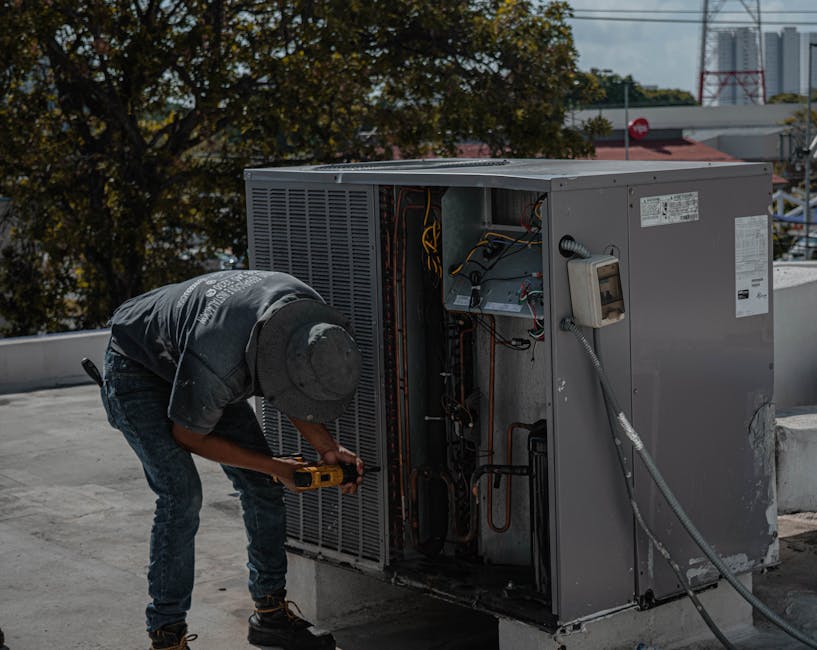
Most air conditioner repairs in Dallas-Fort Worth cost between $150 and $650 in 2026, with the typical visit landing around $350-$450. The wide spread comes down to which part failed: a capacitor or contactor is a quick, inexpensive fix, while a leaking evaporator coil or a failed compressor can run into the thousands. North Texas also carries a few cost pressures that milder climates don't — a cooling season that runs most of the year, scorching attic installs, and a refrigerant market in transition.
This guide breaks down what each repair actually costs in DFW in 2026, what drives those prices locally, and how to tell when a repair stops being worth it. Figures below reflect 2026 cost data from HomeGuide, Angi, and DFW-specific pricing pages (HVAC Services Pro, LEX Air, Jupitair).
Typical AC repair costs in DFW (2026)
| Repair | Typical DFW cost (2026) | Notes |
|---|---|---|
| Diagnostic / service call | $75 - $180 | Often credited toward the repair; some flat-fee at $89 |
| Capacitor replacement | $150 - $450 | One of the most common failures in DFW heat |
| Contactor replacement | $150 - $400 | Frequent wear part on hard-running systems |
| Condenser fan motor | $300 - $700 | Higher for variable-speed/ECM motors |
| Blower motor | $400 - $900 | ECM/variable-speed at the top of the range |
| Thermostat replacement | $150 - $500 | Smart thermostats at the higher end |
| Condensate drain / pump | $100 - $450 | Clogs are common in humid stretches |
| Refrigerant recharge (R-410A) | $50 - $90 per lb installed | A 2-4 lb top-off ≈ $100-$360 |
| Refrigerant recharge (R-22) | $150 - $300+ per lb | R-22 no longer produced; far costlier |
| Refrigerant leak repair | $400 - $2,500 | Depends on leak location; coil leaks are costliest |
| Evaporator coil replacement | $1,400 - $4,500 | Lower end if under warranty; higher out of warranty |
| Compressor replacement (out of warranty) | $1,300 - $3,500 | $5,000+ only on old R-22 or oversized systems |
| Compressor replacement (parts under warranty) | $600 - $1,200 | You typically pay labor only |
| After-hours / peak-summer surcharge | +$150 - $250 | Emergency and weekend premiums |
These are installed prices for standard residential split systems. Multi-stage, variable-capacity, and high-tonnage equipment runs higher across the board.
What drives the price in North Texas
Several factors make DFW repair pricing different from the national average:
- A near-year-round cooling season. North Texas systems run hard for a large share of the year — roughly 2,400+ cooling hours annually by common industry estimates, far above cooler regions. More runtime means more wear on capacitors, contactors, motors, and compressors, and more frequent failures.
- Summer demand surge. When DFW strings together 100°F+ days, call volume spikes and same-day availability tightens. Many shops add after-hours or peak-season premiums of $150-$250, and parts can be temporarily back-ordered. Current refrigerant rules. Existing R-410A equipment can continue to be serviced. EPA’s May 2026 final-rule fact sheet removes the former January 1, 2026 installation deadline for covered higher-GWP residential/light-commercial equipment manufactured or imported before January 1, 2025, allowing that inventory to be installed until depleted. Ask for the exact refrigerant, equipment match and installation requirements. This rule does not establish a universal equipment surcharge or forecast the price of a repair. Read the EPA final-rule fact sheet.
- Attic-on-slab installs. Most DFW homes sit on slab foundations with the air handler and coil in the attic. Summer attic temperatures can exceed 120-130°F by industry and weather-service figures, which is brutal on equipment and adds labor time and difficulty to any indoor-side repair.
- Expansive clay soil. North Texas's shrink-swell clay shifts with wet and dry cycles, which can stress line sets, condenser pads, and outdoor connections over time — occasionally turning up as refrigerant leaks at flare fittings or service valves.
- Texas licensing and permits. HVAC work in Texas must be performed by (or under) a TDLR-licensed Air Conditioning & Refrigeration contractor. Equipment replacements and many larger repairs require a local permit, and that licensing/permitting overhead is built into reputable contractors' pricing. It's also your protection — unlicensed "deals" carry real risk.
How to avoid overpaying
- Get the diagnosis in writing, with the specific part named. A legitimate quote identifies the failed component and its price. Vague "your system needs a lot of work" pitches are a red flag.
- Ask whether the diagnostic fee is credited. Many DFW shops apply the $75-$180 service fee toward the repair if you approve the work — confirm before you book.
- Check the manufacturer parts warranty first. Compressors and coils often carry 5-10 year parts warranties. If yours is still covered, you may owe labor only — turning a $2,500 job into a few hundred dollars.
- Get a second opinion on big-ticket repairs. For any quote above roughly $1,500 — especially compressor or coil work — a second estimate is worth the diagnostic fee.
- Be cautious about refrigerant-only "fixes." Low refrigerant means a leak. Repeatedly topping off without finding and repairing the leak wastes money and can damage the compressor.
- Compare the labor-warranty term, not just the price. Most DFW shops warranty their labor for only 1-2 years even when the parts carry a longer manufacturer warranty — meaning a part covered in year 5 can still leave you with a four-figure labor bill. A few local companies back work with much longer labor coverage; Varsity Zone HVAC of Frisco, for example, publishes a 10-year parts-and-labor warranty on its installs. The point isn't a single name — it's to ask any contractor exactly how long labor is covered and get it in writing, because that term matters most on compressor and coil jobs.
When repair stops making sense
A practical guideline for North Texas homeowners: if a repair quote crosses $2,500-$4,000 on a system that's already 10-12 years old, run the numbers on full replacement before you commit. Three things tip the scale toward replacing:
- Age and refrigerant. Systems old enough to still use R-22 are expensive to recharge and worth retiring. R-410A systems are fine to keep repairing for now, but they're on a long-term phase-down.
- Repeat failures. A second or third major repair in a few seasons usually signals a system near the end of its life — common in DFW given the heavy runtime.
- The replacement comparison. Compare the written repair price with a complete replacement quote. Our AC replacement cost guide separates a national reference from a named local example. Warranty and efficiency benefits depend on the exact equipment and terms; do not assume a guaranteed saving.
When a single repair approaches a third or more of replacement cost on aging equipment, replacement is often the better long-term value. Below that threshold, a targeted repair from a licensed contractor is usually the smart, lower-cost call.
Cost figures reflect 2026 Dallas-Fort Worth market data. Always confirm current pricing and warranty terms directly with a TDLR-licensed contractor, and get repair diagnoses and warranty coverage in writing.
Frequently Asked Questions
How much does an AC service call cost in Dallas-Fort Worth?
Most DFW companies charge $75 to $180 for a standard-hours diagnostic visit, and many credit that fee toward the repair if you approve the work. Some shops advertise a flat $89 diagnostic that is waived when you proceed.
What does it cost to replace an AC capacitor in DFW?
A capacitor is one of the cheapest common fixes, typically $150 to $450 installed in Dallas-Fort Worth. It's a frequent first failure here because of the long cooling season and high attic heat.
How much is a compressor replacement in 2026?
For a standard out-of-warranty R-410A residential system, expect roughly $1,300 to $3,500 installed in DFW. Prices climb above $5,000 only on older R-22 units or oversized/multi-stage systems, where refrigerant and parts are far more expensive. If the compressor is still under the manufacturer's parts warranty, you usually pay only labor — often $600 to $1,200.
Did R-410A get banned in 2026, and does that change my repair cost?
Existing R-410A equipment can continue to be serviced. EPA’s May 2026 final-rule fact sheet removes the former January 1, 2026 installation deadline for covered higher-GWP residential/light-commercial equipment manufactured or imported before January 1, 2025, allowing that inventory to be installed until depleted. Ask for the exact refrigerant, equipment match and installation requirements. This rule does not establish a universal equipment surcharge or forecast the price of a repair.
How much does refrigerant cost to add during an AC repair?
Ask for the refrigerant type, quantity, per-pound price, labor and leak-diagnosis charges in writing. Our earlier percentage-increase claim was not supported by a documented local price series. A recharge price alone does not establish whether the leak has been resolved.
When does it stop making sense to repair instead of replace?
Compare a written repair quote with a complete replacement quote. The replacement cost guide distinguishes a published national AC reference from a named local contractor example. Age alone and an assumed market average do not determine whether a repair is worthwhile.
Sources & methodology
- EPA May 2026 final-rule fact sheet — Current qualifying inventory rules; checked October 22, 2026.
- HomeGuide 2026 AC compressor and evaporator coil cost data
- Angi 2026 AC compressor and coil replacement cost data
- HVAC Services Pro 2026 Dallas-Fort Worth repair pricing guides
- LEX Air Conditioning & Jupitair HVAC 2026 DFW repair cost pages
- EPA Technology Transitions program (AIM Act) newsroom and rule updates, 2025
- Texas Department of Licensing and Regulation (TDLR) — Air Conditioning & Refrigeration licensing
See how we build these ranges. Spot an outdated number? Tell us.