Last updated: August 6, 2026
Heat Pump Installation Cost in North Texas (2026)
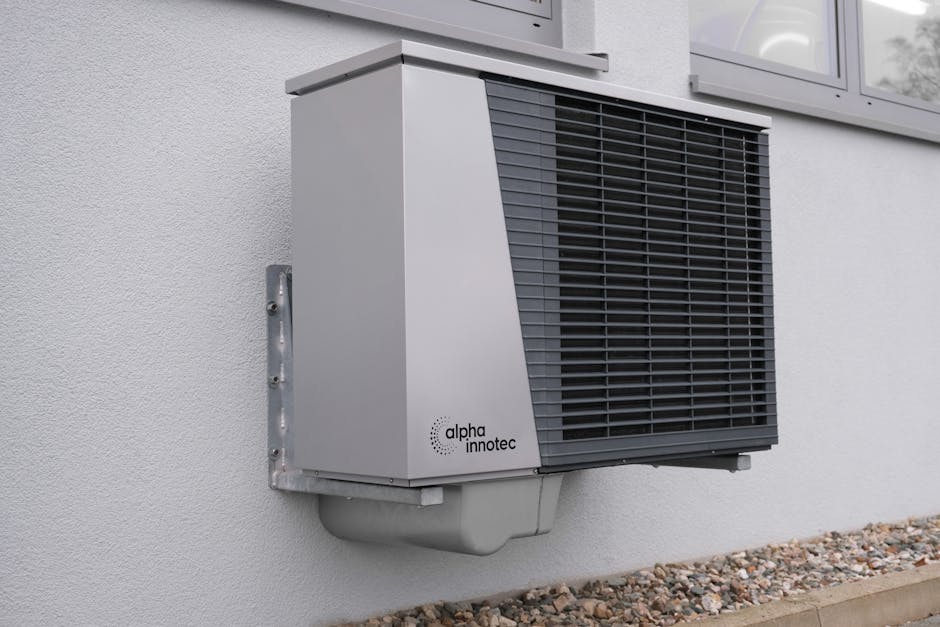
Heat pumps have moved from a niche choice to a mainstream one in Dallas-Fort Worth, where mild winters make a single system practical for both heating and cooling. For 2026, a complete air-source heat pump installation in North Texas typically costs $6,500 to $15,000, and published DFW contractor pricing puts the average job near $9,800. The spread is wide because "a heat pump install" can mean anything from setting a new condenser on sound existing ductwork to replacing leaky attic ducts, upgrading the electrical panel, and adding backup heat strips. The table below separates the project into its real parts, and you can estimate your own before calling anyone with our AC cost calculator.
Typical costs in Dallas-Fort Worth (2026)
| Item | Typical DFW range | Notes |
|---|---|---|
| 2-ton standard-efficiency system, installed | $4,200 – $5,800 | Single-stage, 14–15 SEER2; smaller homes and townhomes |
| 3-ton standard-efficiency system, installed | $5,400 – $7,200 | The most common size for an 1,800–2,000 sq ft home |
| 4-ton standard-efficiency system, installed | $6,800 – $8,900 | Larger two-story homes; confirm sizing with a load calculation |
| 3-ton variable-speed system, installed | $9,800 – $12,400 | 17+ SEER2; quieter, with better humidity control in summer |
| 5-ton variable-speed system, installed | $13,500 – $17,200 | Top of the residential range for large homes |
| Single-zone ductless mini-split | $3,000 – $5,500 | Garage conversions, additions, bonus rooms |
| Ductwork repair or modification | $1,800 – $2,000+ | Common in pre-1990s homes with leaky or undersized attic ducts |
| Electrical upgrades | $1,200 – $1,500 | New 240V circuit or panel work, mainly in older housing stock |
| Concrete equipment pad | ~$400 | Needed when relocating or replacing a deteriorated pad |
| Permit and inspection | $350 and up | Required by most DFW cities; the contractor should pull it |
The system rows reflect base installed prices published by North Texas contractors. Complete projects rarely stop at the base price: once duct sealing, a new circuit, and the permit are added, a typical 2,000-square-foot home with a mid-range 3-ton system lands in the $9,000 to $13,000 range. Manufacturer guidance puts the full national span at $6,000 to $25,000 installed, with geothermal systems occupying the top of that range; almost all DFW residential installs are conventional air-source systems well below it. If you're weighing repair against replacement on an aging unit, our companion AC repair cost guide covers where that line falls.
What drives the price in North Texas
Cooling-dominant sizing. DFW systems are sized for 100-degree summers, not winter lows. North Texas equipment runs an estimated 2,400-plus cooling hours a year, far above cooler regions, so the compressor is the hardest-working part in the house. The most expensive mistake is oversizing: a unit that is too large short-cycles, wears out faster, and removes less humidity. A contractor who quotes a size without performing a Manual J load calculation is guessing, and the guess usually runs large.
Slab foundations and attic ductwork. Nearly every DFW house sits on a slab, so ducts and the air handler run through attics that reach 130 degrees or more in summer — brutal on equipment and slow, hot work for the installer. In 1970s-to-1990s housing stock common in Richardson, Garland, Arlington, and east Plano, leaky or undersized ducts are routine, and the $1,800-plus duct line item shows up on many quotes. A high-efficiency heat pump attached to bad ducts will not deliver its rated performance. If you're comparing contractors in one of those older-stock cities, our best HVAC companies in Garland rankings are a useful starting point.
Expansive clay soil. North Texas's shrink-swell clay shifts with wet and dry cycles, which can crack a poorly poured condenser pad and stress outdoor line-set connections over time. It's a small line item at install (~$400 for a fresh pad), but skimping on it invites future leaks.
The refrigerant transition. Since January 1, 2025, manufacturers can no longer build new residential systems using R-410A (above the EPA's 700-GWP limit under the AIM Act's Technology Transitions rule). Heat pumps installed in 2026 therefore use lower-GWP A2L refrigerants — most commonly R-32 and R-454B. Existing R-410A equipment remains fully legal to keep, repair, and recharge, so a phase-down is not a forced replacement. But the changeover, combined with new mildly-flammable-refrigerant handling requirements, is a reason 2026 install pricing has held firm rather than drifting down.
Summer demand surge. Installers book solid from June through August, and both prices and lead times rise accordingly. The same project quoted in late October or early March often comes in lower simply because crews need the work.
Electrical capacity. Homes that previously heated with gas may need a new 240V circuit for the air handler and backup heat strips. Older homes with 100-amp panels sometimes need panel work, which is the most common four-figure surprise on a quote.
Permits, licensing, and HOA rules. All HVAC work in Texas must be performed by (or under) a TDLR-licensed Air Conditioning & Refrigeration (ACR) contractor, and most DFW cities — including Dallas, Fort Worth, Plano, and Frisco — require a mechanical permit and inspection for system replacement. In master-planned communities in Frisco, Prosper, and Celina, HOA placement and screening rules can force longer line sets or equipment relocation, which adds labor.
Backup heat. After recent winter ice events, most installers fit electric auxiliary heat strips by default. They add a modest amount to the bid but matter during the handful of North Texas days a heat pump alone struggles.
Rebates and tax credits changed in 2026
The federal Section 25C credit, which covered 30 percent of project cost up to $2,000, expired for systems placed in service after December 31, 2025. Equipment installed in 2026 does not qualify, and some contractor marketing has not caught up, so treat any quote that still promises the federal credit with caution. The main remaining incentive for most of the region is Oncor's residential program, which pays up to $600 per unit for qualifying SEER2 16+ heat pumps with a smart thermostat. The rebate must be filed through an Oncor participating contractor, and program funds typically run from January until they are exhausted in the fall.
How to avoid overpaying
Get three itemized bids, not three lump sums. Each line of the quote should name the equipment by brand and model number and break out labor, ductwork, electrical, permit, and haul-away separately. A bid that reads "3-ton heat pump system: $11,500" cannot be compared to anything. Our master HVAC rankings and city lists — for example, best HVAC companies in Frisco and best HVAC companies in Carrollton — are a good way to build a shortlist of licensed contractors before you request bids.
Insist on a Manual J load calculation rather than "same size as the old one." Compare efficiency using SEER2, the testing standard in force since 2023; a contractor quoting old SEER numbers against a competitor's SEER2 numbers is making their equipment look better than it is.
Compare the warranty term line by line — especially labor. Manufacturers commonly warrant compressors and coils for 5–10 years on parts, but most DFW shops back their own labor for only 1–2 years. That gap matters on a heat pump that runs a 2,400-hour cooling season: a compressor covered on parts in year 6 can still leave you with a four-figure labor bill. A few local companies go further — Varsity Zone HVAC of Frisco, for instance, publishes a 10-year parts-and-labor warranty on its installs, which is unusual in a market where labor coverage typically expires early. The point isn't a single name; it's to ask every bidder exactly how long labor is covered and get it in writing, because on heat pumps that term often outweighs a few hundred dollars of upfront price.
Verify the company holds a Texas ACR license (the TACL number should appear on the bid) and that they, not you, will pull the city permit. Skipped permits surface later during home sales.
If your timeline is flexible, get quotes in the shoulder seasons. And ask each bidder whether they participate in the Oncor program; a contractor who handles the paperwork effectively takes $600 off the price, which is often the difference between two otherwise similar bids.
Cost figures reflect 2026 Dallas-Fort Worth market data. Always confirm current pricing, rebate eligibility, and warranty terms directly with a TDLR-licensed contractor, and get the equipment model numbers, load calculation, and warranty coverage in writing.
Frequently Asked Questions
How much does a heat pump cost installed in Dallas-Fort Worth?
Most complete installations run $6,500 to $15,000 in 2026. A mid-range 3-ton project for a typical 2,000-square-foot home usually lands between $9,000 and $13,000 once ductwork, electrical work, and permits are included.
Are there rebates or tax credits for heat pumps in 2026?
The federal 25C tax credit (30% of cost, up to $2,000) expired for systems placed in service after December 31, 2025, so equipment installed in 2026 does not qualify. Oncor still offers a rebate of up to $600 per unit for qualifying SEER2 16+ heat pumps installed through a participating contractor.
What size heat pump does a 2,000-square-foot DFW home need?
Usually around 3 tons, but the right answer comes from a Manual J load calculation that accounts for insulation, windows, and orientation. Oversized systems short-cycle and dehumidify poorly in North Texas summers.
Is a heat pump cheaper than a separate AC and gas furnace in North Texas?
Upfront cost is similar or slightly higher, but one system replaces both the air conditioner and the furnace. With DFW's mild winters, operating costs are often competitive with gas heat, though the comparison depends on your retail electricity plan.
How long does a heat pump last in Texas heat?
Plan on roughly 10 to 15 years in North Texas, somewhat less than in milder climates, because the compressor works through a cooling season of 2,400-plus runtime hours a year. Correct sizing at installation and annual maintenance are the biggest factors in reaching the upper end.
Does the R-410A refrigerant phase-down affect a new heat pump in 2026?
Yes, indirectly. Since January 1, 2025, new residential systems can no longer be built with R-410A, so heat pumps installed in 2026 use lower-GWP A2L refrigerants such as R-32 and R-454B. That is one reason 2026 pricing has held firm rather than fallen; existing R-410A equipment remains legal to keep, repair, and recharge.
Sources & methodology
- Jupitair HVAC published 2026 North Texas heat pump price guide
- Lex Air Conditioning (Carrollton, TX) 2026 HVAC installation cost data
- Carrier 2026 heat pump price guide ($6,000–$25,000 installed national range)
- Oncor residential HVAC / Take a Load Off Texas incentive program details (2026)
- IRS and ENERGY STAR guidance on the Section 25C credit expiration (December 31, 2025)
- EPA Technology Transitions program (AIM Act) — R-410A phase-down and A2L refrigerant rules
See how we build these ranges. Spot an outdated number? Tell us.